
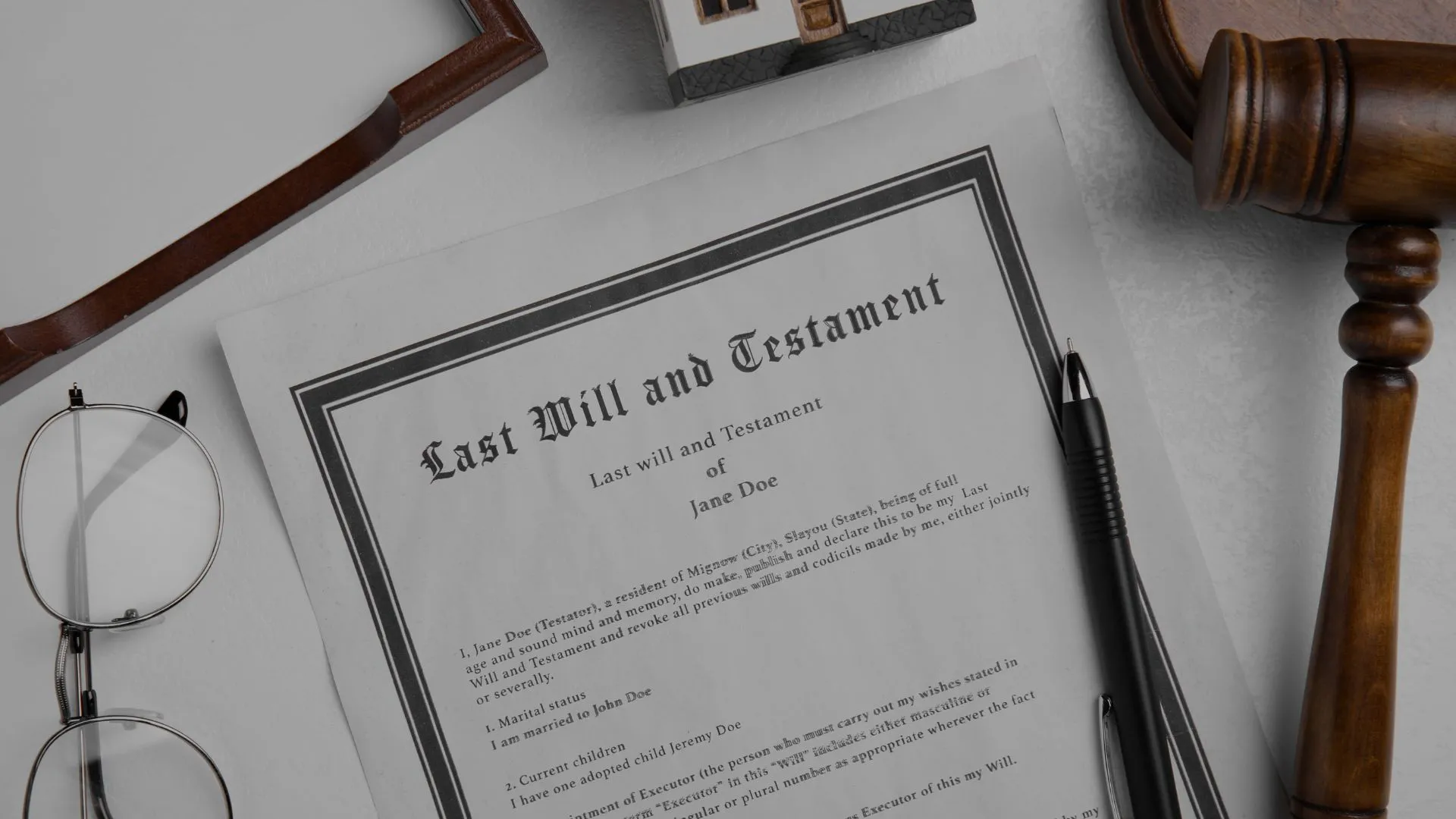
What if the process of managing a loved one’s estate isn’t as straightforward as you thought? If you’ve ever found yourself confused about what probate is and whether it’s always required, you’re not alone. Many people feel overwhelmed by legal terms and the complexities of estate management. In this comprehensive guide, you’ll learn the essentials of probate, including when it is required and the implications it carries for managing an estate. By the end of this article, you’ll have a clear understanding of what probate is and the confidence to make informed decisions regarding estate management. Whether you’re dealing with a recent loss or planning ahead, we’re here to provide the guidance you need.
Key Takeaways
- Understand the essential role of probate in validating a Will and managing an estate effectively.
- Learn when probate is required based on asset types and the overall value of the estate.
- Discover scenarios where probate can be bypassed, including small estate provisions that can simplify the process.
- Gain a clear step-by-step checklist for navigating the probate process after a loved one’s passing.
- Explore the question of what is probate and is it always required to make informed decisions about estate management.
Understanding Probate: What It Is and Its Importance
Probate refers to the legal process through which a deceased person’s Will is validated and their estate is administered. It plays a crucial role in ensuring that the wishes of the deceased are honored and that their assets are distributed according to their desires. By overseeing the process, the court ensures that all debts are settled, and the rightful beneficiaries receive their inheritances, thus safeguarding the interests of all parties involved.
One of the primary reasons for engaging in probate is to validate a Will. This process confirms that the Will is genuine and legally binding, which is essential for avoiding potential disputes among heirs. Without this validation, a Will could be challenged, leading to conflict and uncertainty regarding the distribution of assets.
At the heart of the probate process is the executor, the individual appointed in the Will to manage the estate. The executor holds significant responsibilities, including:
- Collecting and managing the deceased’s assets
- Paying debts and taxes
- Distributing assets to beneficiaries
Being an executor can be emotionally taxing, especially after the loss of a loved one. The executor not only deals with the legal complexities but also navigates the emotional landscape of grief. Understanding this dual burden is vital for anyone stepping into this role.
What Happens During Probate?
The probate process typically unfolds in several key steps:
- Filing the Will with the appropriate court
- Inventorying the deceased’s assets
- Settling debts and taxes
- Distributing the remaining assets to beneficiaries
The court plays a pivotal role in granting probate. Once it verifies the Will’s authenticity, it issues a grant of probate, which empowers the executor to act on behalf of the estate. This court-sanctioned authority is essential for the lawful distribution of assets.
Common Misconceptions About Probate
There are several myths surrounding the probate process that can lead to confusion. A common misconception is that probate is always lengthy and expensive; however, the duration and cost can vary significantly based on the estate’s complexity and location. Additionally, it is essential to clarify that probate is distinct from estate administration, which refers to the overall management of the estate, including the probate process.
Failing to go through probate can have serious legal implications. If the Will is not validated, beneficiaries could be left without recourse, leading to disputes and potential financial loss. Understanding what is probate and is it always required is crucial for anyone managing an estate, ensuring that the process is handled correctly and efficiently.
When Is Probate Required? Key Factors to Consider
Understanding what is probate and is it always required involves recognizing specific scenarios that necessitate this legal process. Probate is generally required when a deceased person’s estate includes certain types of assets, which often need to be legally validated before they can be distributed to heirs.
Specific Situations That Demand Probate
Assets typically requiring probate include:
- Real estate: Properties owned solely by the deceased usually require probate for title transfer.
- Bank accounts: Accounts held solely in the deceased’s name need probate to access funds.
- Investments: Stocks and bonds owned exclusively by the deceased also fall under this category.
Jointly owned assets, such as properties or bank accounts, may not need probate since they pass directly to the surviving owner. However, if the deceased held assets without designated beneficiaries or joint ownership, probate becomes necessary. Other factors, such as debts or the complexity of the estate, may also necessitate probate, especially when disputes arise among heirs.
What Happens If There Is No Will?
When someone dies intestate (without a will), the situation complicates. The court steps in to manage the estate, requiring letters of administration instead of a grant of probate. This legal document allows the appointed administrator to distribute assets according to state laws, which can differ significantly across Australia. For example:
- In New South Wales, the laws of intestacy dictate the distribution of assets among spouses, children, and other relatives.
- In Queensland, the Public Trustee may become involved if no suitable administrator is available.
The court’s role in intestate estates is crucial, as it ensures the deceased’s assets are managed and distributed according to legal requirements, which can sometimes lead to lengthy and complex proceedings. Understanding these nuances can clarify what is probate and is it always required in your specific situation.
If you have questions about your estate planning or need assistance with probate, consider reaching out to a legal expert. They can help you navigate your options smoothly.
When Is Probate Not Required? Understanding Exceptions
Understanding what is probate and is it always required is essential for anyone navigating the complexities of estate management. In many cases, probate can be bypassed, simplifying the process of asset distribution. Here, we explore the scenarios in which probate is not necessary and the alternatives available.
Conditions for Avoiding Probate
Several conditions allow for avoiding probate, particularly in Queensland. One major criterion is the value of the estate. If the total value of the estate is below a certain threshold, typically A$150,000, it may qualify as a small estate, allowing for a simplified administration process that bypasses formal probate.
Another important factor is the presence of beneficiary designations. Assets such as bank accounts or investment accounts that name beneficiaries can be transferred directly to those individuals without going through probate. Similarly, life insurance policies and superannuation funds automatically pass to designated beneficiaries, ensuring a quick and efficient transfer of assets.
Alternatives to Probate
In certain situations, letters of administration can serve as an alternative to probate. This is particularly useful when the deceased did not leave a will. The court can issue letters of administration, allowing the administrator to manage the estate without the need for formal probate proceedings.
Trusts also provide a valuable option for managing assets without probate. By placing assets in a trust during one’s lifetime, those assets can be distributed to beneficiaries upon death without the delays and costs associated with probate. This method not only simplifies the process but can also offer tax benefits and greater privacy.
Planning ahead to avoid probate has several advantages. It reduces the administrative burden on surviving family members, expedites the distribution of assets, and minimizes legal fees. Families can focus on their emotional recovery rather than navigating a potentially lengthy legal process.
In summary, understanding the various scenarios where probate can be avoided is crucial for effective estate planning. By exploring options like small estate provisions, beneficiary designations, and trusts, individuals can ensure a smoother transition of their assets, ultimately answering the question of what is probate and is it always required with a more favourable outlook.
The Probate Process: A Step-by-Step Checklist
Understanding what is probate and is it always required is crucial for anyone dealing with the estate of a deceased individual. The probate process can appear daunting, but breaking it down into manageable steps can alleviate much of the stress associated with it. Below is a comprehensive checklist to guide you through the probate journey.
Preparing for the Probate Application
After a death occurs, the first step is to determine whether probate is necessary. If the deceased left a will, the executor must gather essential documents to file for probate. Here’s a checklist of documents typically required:
- The original will (if applicable)
- Death certificate
- Identification of the executor
- List of assets and liabilities
- Any agreements related to the deceased’s estate
Accurate asset documentation is vital. A comprehensive list not only helps in the valuation of the estate but also ensures a smoother application process. It’s advisable to file the application for a Grant of Probate within six months of the death to prevent any complications.
Post-Probate Responsibilities
Once probate is granted, the executor has ongoing responsibilities to fulfill. Here’s an outline of the key duties:
- Notify beneficiaries and keep them informed about the estate.
- Manage the deceased’s assets, ensuring they are protected and maintained during the probate period.
- Settle the deceased’s debts and liabilities, which may include outstanding bills and taxes.
- Distribute the remaining assets according to the will or state law if there is no will.
Record-keeping is crucial throughout this process. Executors should maintain detailed records of all transactions and communications to ensure transparency and accountability. This can prevent disputes among beneficiaries and provide clarity should any questions arise later.
In conclusion, understanding what is probate and is it always required can guide you through these essential steps. For additional support and guidance, reach out to our expert team, who can provide personalized assistance tailored to your unique situation.
Conclusion: Navigating Probate with Confidence
Understanding what is probate and is it always required is crucial for anyone dealing with the complexities of estate management. Throughout this guide, we have explored the fundamentals of probate, including its definition, the circumstances under which it is necessary, and the potential alternatives available. Probate can be a lengthy and sometimes challenging process, but being informed can significantly ease the experience.
One of the most important takeaways is that seeking legal advice is essential when navigating estate matters. The probate process can vary depending on the size and complexity of the estate, as well as the specific laws in place in your state. Engaging with a legal professional can help clarify your obligations and rights, providing you with tailored guidance to suit your unique circumstances.
Proactive estate planning is another key aspect that can simplify the probate process. By preparing a comprehensive estate plan that includes wills, trusts, and other documents, you can streamline the transition of your assets and potentially avoid the probate process altogether. This not only saves time and money but also reduces the emotional burden on your loved ones during an already difficult time.
As you reflect on the information shared in this guide, remember that you don’t have to navigate this journey alone. RCB Law is committed to helping you understand your options and guiding you through the legal intricacies of probate and estate planning. Our team of experienced professionals is here to provide you with the support you need.
Contact RCB Law for Expert Assistance
If you have questions about probate or need personalized legal support, don’t hesitate to reach out. Our expertise in probate and estate planning ensures that you receive informed advice tailored to your specific needs. Schedule a consultation with RCB Law today, and let us help you navigate the complexities of probate with confidence.
Empower Your Understanding of Probate
Understanding what is probate and is it always required is crucial for navigating the complexities of estate management. Remember, probate may not always be necessary, especially in cases involving small estates or specific assets held in joint ownership. Familiarizing yourself with the probate process can help you ensure a smoother transition during challenging times.
If you find yourself facing probate issues or need assistance with estate planning, don’t hesitate to reach out. With over 30 years of experience in property and estate law, we offer personalized service tailored to your unique needs. Our client-focused approach is designed to provide clarity and support throughout the process. Contact RCB Law for your probate and estate planning needs!
Take the first step toward confidently navigating probate today.
Frequently Asked Questions
What is the difference between probate and letters of administration?
Probate is the legal process of validating a deceased person’s Will, allowing for the distribution of their estate. In contrast, letters of administration are issued when someone dies without a Will, granting an administrator the authority to manage and distribute the estate. Both processes ensure that the deceased’s assets are handled according to the law, but the key difference lies in whether a Will exists.
How long does the probate process typically take?
The probate process can vary significantly in duration, but it typically takes between 6 to 12 months in Australia. Factors influencing this timeframe include the size and complexity of the estate, any disputes among beneficiaries, and the efficiency of the probate court. In some cases, if all parties agree and the estate is straightforward, it may be resolved more quickly.
Who can contest a probate application?
Individuals who may contest a probate application typically include beneficiaries named in the Will, those who would inherit under intestacy laws, or anyone who believes they have a valid claim to the estate. For example, if a family member feels they were unfairly excluded from the Will, they may have grounds to contest it, leading to potential legal disputes.
What happens if probate is not granted?
If probate is not granted, the deceased’s assets cannot be legally distributed according to their Will. Instead, the estate may be managed under intestacy laws, which dictate how assets are divided among surviving relatives. This can lead to delays and complications, potentially resulting in disputes among family members and increased legal costs.
Can probate be expedited in certain situations?
Yes, probate can be expedited in specific situations, such as when there are urgent financial needs or when the estate is relatively small. In such cases, an application for a streamlined or simplified probate process may be submitted to the court. However, this often requires clear documentation and justification to demonstrate the need for urgency.
Are there costs associated with applying for probate?
Yes, there are costs associated with applying for probate, which can include court fees, legal fees, and other administrative expenses. In Australia, court fees can range from A$200 to A$1,000, depending on the jurisdiction and size of the estate. It’s advisable to consult with a legal professional to get an accurate estimate of the total costs involved.
What should I do if I can’t find the deceased’s Will?
If you can’t find the deceased’s Will, the first step is to search their personal documents thoroughly, as Wills can sometimes be stored in unexpected places. If a Will cannot be located, the estate may still be managed under intestacy laws, which outline how assets are distributed among surviving relatives. In such cases, seeking legal advice can provide guidance on the best course of action.